Source Printer Toner Pressure Roller for HP, Brother, and Offset Printing
Find and compare 30 listings for Printer Toner Pressure Roller components compatible with HP and Brother laser printers, as well as offset printing machinery. Evaluate options featuring Grade A quality, various hardness ratings, and customization availability to meet specific industrial or office printing needs.
Key considerations
Products List


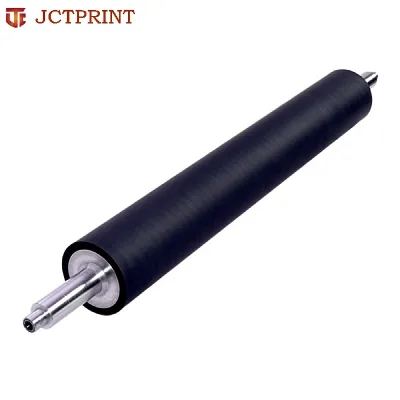


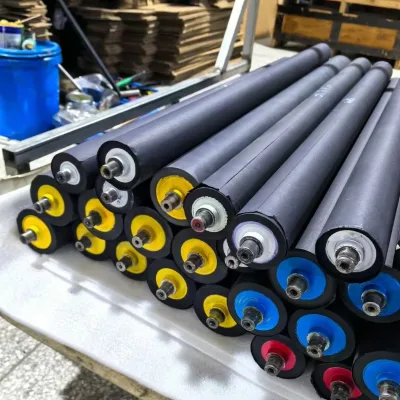


Comprehensive Sourcing Guide
Printer Toner Pressure Roller Sourcing Guide
Sourcing the correct pressure roller for printer toner systems requires a nuanced understanding of both the mechanical interface and the chemical compatibility of the roller surface. In the context of laser printing technology, the pressure roller, often referred to as the fuser roller or backup roller depending on the specific assembly, plays a critical role in transferring toner from the drum to the paper. Buyers must distinguish between generic replacement parts and those engineered for specific printer brands, as the tolerances for diameter, hardness, and surface texture vary significantly across manufacturers. The observed market data indicates a diverse range of products, from compatible toner cartridges to specialized rubber rollers, suggesting that procurement strategies must be tailored to the specific printer model and the desired balance between cost and print quality.
The procurement landscape for these components is characterized by a wide variance in product attributes, including customization options, material composition, and warranty terms. Suppliers often list products with features such as "Compatible," "Original," or "Re-Manufactured," which directly impacts the expected lifespan and print consistency. Furthermore, the availability of different packing options, such as original or neutral packaging, and varying warranty periods ranging from one to twenty-four months, provides buyers with flexibility but also introduces complexity in supplier evaluation. Understanding these signals is essential for making informed decisions that align with operational needs, whether the goal is to minimize downtime through rapid replacement or to ensure long-term reliability through higher-grade components.
Product Scope and Observed Listing Signals
The current market listings reveal a broad spectrum of products that fall under the general category of printer maintenance components, though not all are strictly pressure rollers. For instance, some listings explicitly identify products as OPC drums or toner cartridges for brands like HP and Brother, while others describe rubber rollers with specific dimensions and hardness ratings. It is crucial for buyers to carefully examine the product title and description to ensure the item is indeed a pressure roller and not a consumable like toner or a separate imaging unit. The presence of attributes such as "For Printer Brand: HP" or "For Printer Brand: Brother" helps narrow down the compatibility, but buyers must cross-reference these with their specific printer models to avoid purchasing incompatible parts.
Observations from the listing data show that some products are marketed with features like "Integration" or "Combination," which may imply a more complex assembly or a multi-functional component. Additionally, the mention of "Factory price high quality offset printing machine price rubber roller" suggests that some suppliers offer industrial-grade rollers that may be adaptable for certain high-volume printing applications. Buyers should pay close attention to the "Product name" and "Series" fields, such as "inking roller" or "Category: Rubber Roller," to understand the specific function of the item. Misinterpreting a general-purpose rubber roller as a specialized printer pressure roller can lead to operational failures, so verifying the exact application and compatibility is a vital first step in the sourcing process.
Technical Specifications to Verify
When evaluating technical specifications, the diameter and length of the roller are primary factors that must match the original equipment manufacturer (OEM) specifications. The observed data includes a diameter range of 10mm to 670mm and a length range of 50mm to 8200mm, highlighting the vast diversity in roller sizes available. Buyers must measure their existing rollers or consult the printer’s service manual to determine the exact dimensions required. Even a slight deviation in diameter can affect the pressure applied to the fuser unit, leading to issues such as toner smudging, paper jams, or uneven print density. Therefore, precise measurement and verification of these physical attributes are non-negotiable for ensuring proper fit and function.
Hardness and material composition are equally critical technical parameters that influence the performance and durability of the pressure roller. The listings indicate a hardness range of 20A to 100D, which covers a wide spectrum from soft, flexible materials to hard, rigid compounds. The material is often described as polyurethane or acrylonitrile-butadiene rubber, each offering different properties regarding heat resistance, wear resistance, and toner release. For laser printers, the roller must withstand high temperatures and friction, so verifying the temperature resistance, such as the noted 300-degree capability in some industrial rollers, is important. Buyers should request detailed material specifications from suppliers to ensure the roller can handle the thermal and mechanical stresses of their specific printing environment.
Compliance and Safety Documentation
While specific certification statuses are not uniformly provided in the observed listings, buyers should prioritize suppliers who can demonstrate adherence to recognized quality and safety standards. The background data mentions ISO 9001, RoHS, and CE as potential standards, but these should be treated as areas for verification rather than guaranteed attributes. Buyers must request valid certificates from suppliers to confirm that the products meet international quality management and environmental regulations. This is particularly important for products intended for use in regions with strict regulatory requirements, as non-compliant materials could pose health risks or lead to legal liabilities.
Safety documentation should also include information on the chemical composition of the roller materials, especially if they are used in environments with poor ventilation. Buyers should inquire about the presence of hazardous substances and ensure that the materials are safe for both operators and the environment. Additionally, understanding the warranty terms, which range from one to twenty-four months in the observed data, provides insight into the supplier’s confidence in their product’s durability and safety. A robust warranty often correlates with higher quality control standards, so buyers should consider warranty length and terms as an indicator of the product’s reliability and the supplier’s commitment to customer satisfaction.
Cost Drivers and Commercial Terms
The cost of printer toner pressure rollers is influenced by several factors, including the material quality, manufacturing complexity, and the level of customization required. The observed price range of 0.3 to 20,000 USD reflects the disparity between simple replacement parts and high-end, specialized industrial rollers. Buyers should analyze the cost structure to understand what drives the price, such as the use of premium materials like polyurethane or the inclusion of advanced features like temperature resistance. It is important to balance cost with quality, as cheaper alternatives may not offer the same durability or performance, leading to higher long-term costs due to frequent replacements.
Commercial terms such as minimum order quantity (MOQ), delivery time, and shipping methods also play a significant role in the total cost of ownership. The observed MOQ ranges from 1 to 100 pieces, offering flexibility for both small-scale and bulk purchases. Delivery times vary from 3 to 7 workdays, depending on the shipping method chosen, such as air cargo, sea cargo, or express services like DHL or FedEx. Buyers should consider the urgency of their needs and the associated shipping costs when selecting a supplier. Additionally, payment terms, such as T/T, should be negotiated to ensure favorable cash flow management and risk mitigation.
Supplier Qualification and Quality Control
Supplier qualification is a critical step in ensuring the reliability of the sourced pressure rollers. Buyers should assess suppliers based on their production capabilities, quality control processes, and track record in the industry. The observed data indicates that suppliers are located in various regions, including Shenzhen, Zhongshan, and Shandong in China, each with its own industrial strengths. Buyers should verify the supplier’s location and production capacity to ensure they can meet the required volume and quality standards. Additionally, checking for any relevant certifications or quality management systems can provide assurance of the supplier’s commitment to excellence.
Quality control measures should be clearly defined and communicated with the supplier before placing an order. Buyers should request information on the testing procedures used to ensure the rollers meet the specified dimensions, hardness, and material properties. The observed data mentions "Grade A" quality and "1:1" replacement policies, which are positive indicators of the supplier’s confidence in their products. However, buyers should also establish their own quality acceptance criteria and consider conducting pre-shipment inspections or requesting samples for testing. This proactive approach helps mitigate the risk of receiving defective products and ensures that the rollers perform as expected in the printing environment.
Long-Term Procurement Checks
Establishing long-term procurement relationships requires ongoing monitoring of supplier performance and product quality. Buyers should regularly review key performance indicators such as delivery times, defect rates, and customer service responsiveness. The observed data includes attributes like "Customization: Available" and "Replacement: 1:1," which suggest that suppliers are willing to accommodate specific needs and provide support in case of issues. Buyers should leverage these offerings to build a flexible and resilient supply chain that can adapt to changing requirements. Additionally, maintaining open communication with suppliers can help identify potential issues early and foster a collaborative partnership.
Continuous improvement should be a core principle in long-term procurement, with buyers regularly seeking feedback from end-users and incorporating lessons learned into their sourcing strategies. The observed market trends, such as the availability of "Re-Manufactured" options, may offer opportunities for cost savings without compromising quality. Buyers should stay informed about new technologies and materials that could enhance the performance of pressure rollers. By staying proactive and engaged, buyers can ensure that their procurement practices remain competitive and aligned with the evolving needs of their printing operations.
FAQs
What specifications are available for printer toner pressure rollers?
Available specifications include models such as 19A, 219A, and 76A for HP printers, and compatible options for Brother devices. The product range also features rubber rollers with diameters from 10mm to 670mm and lengths from 50mm to 8200mm. These items are offered in regular specifications and are suitable for various printing machines, ensuring broad compatibility across different industrial and office equipment setups.
Can I customize printer toner pressure rollers for specific needs?
Yes, customization is available for these products. Buyers can select from original packing or neutral packing options to suit their branding or logistical requirements. The rollers are designed for integration and can be tailored to fit specific printer brands like HP and Brother. This flexibility allows businesses to obtain components that precisely match their operational standards and equipment configurations.
What is the typical delivery time for these rollers?
The typical delivery time ranges from 3 to 7 workdays depending on the specific product line and supplier. Shipping methods include air cargo, sea cargo, and express services such as DHL, FedEx, and UPS. This relatively short lead time ensures that businesses can replenish their inventory quickly, minimizing downtime for printing operations and maintaining consistent workflow efficiency.
What warranty and quality standards apply to these products?
Products generally come with a warranty of 1 to 24 months, with a 1:1 replacement policy for defects. Quality is rated as Grade A, adhering to standard industry expectations for performance and durability. The materials used, such as polyurethane, offer temperature resistance up to 300 degrees, ensuring reliable operation under various printing conditions and extending the functional lifespan of the rollers.
Where are these printer rollers manufactured and shipped from?
These products originate from manufacturing locations in China, specifically Shenzhen, Zhongshan, and Shandong. The diverse origins allow for varied production capabilities and logistical advantages. Buyers can expect shipments to be handled through multiple channels, including air freight and sea cargo, ensuring that goods reach global destinations efficiently while maintaining the integrity of the packaging and product quality.
What is the minimum order quantity for these items?
The minimum order quantity is typically 1 piece, allowing for flexible purchasing for both small and large businesses. This low MOQ facilitates easy testing of product quality before committing to larger bulk orders. It supports businesses that require specific models or custom specifications without the burden of high initial inventory costs, making it easier to manage supply chain risks.